
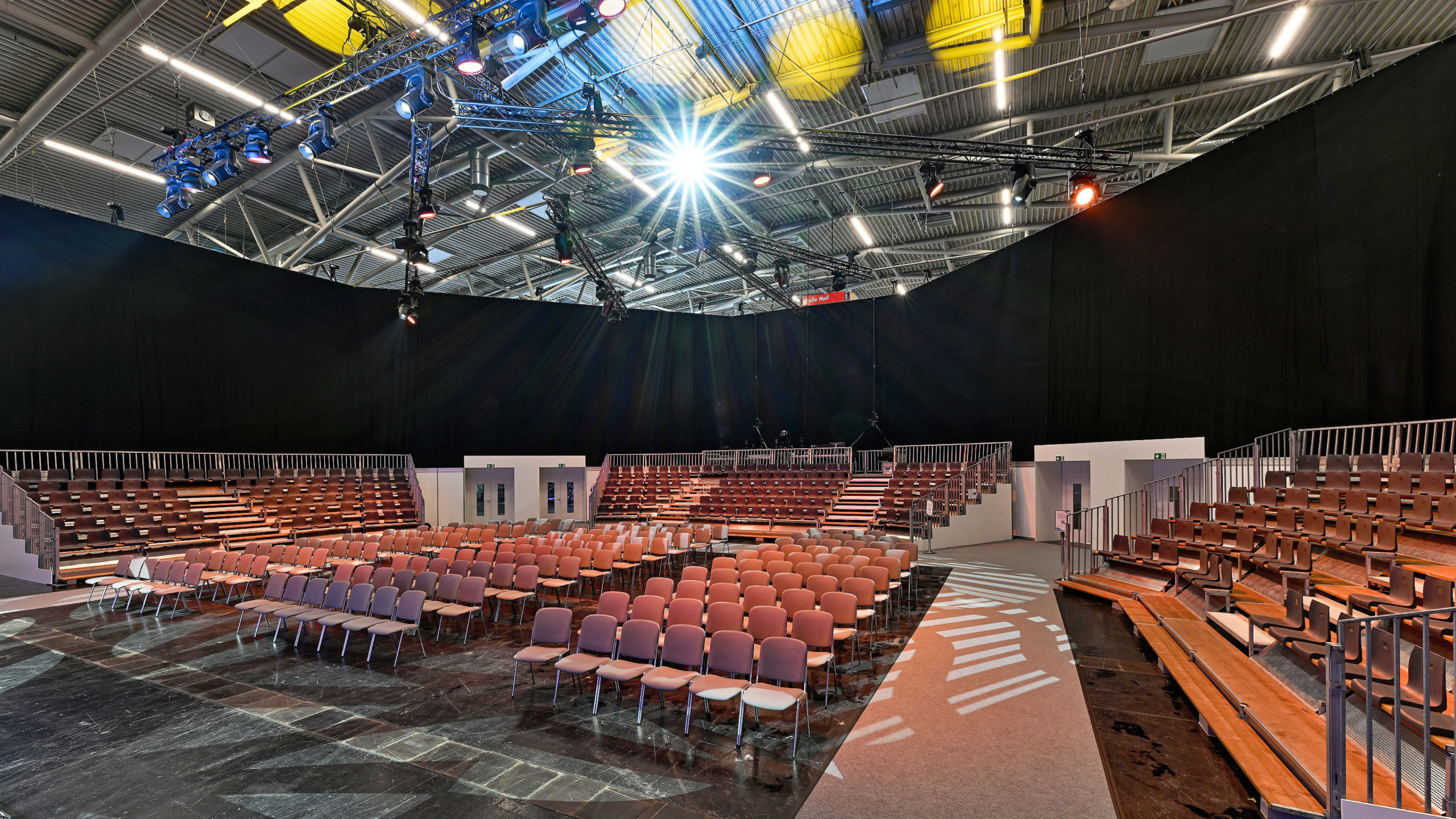
Why Show Floor Planning Is More Than Assigning Booth Space
Can a new exhibit hall layout transform an event? Absolutely! A show floor is more than a collection of booth spaces. Which exhibitors go where? How do attendees move from one area to the next? What catches their eye, and where do they stop? All of this shapes the attendee experience. That’s exactly why it pays to take a closer look at show floor planning. Five aspects are especially important:
1. Regularly Re-Evaluate Your Existing Layout
Set it and forget it? Not quite. Established events in particular evolve over the years: new topics emerge, audiences change, and additional formats need space. Yet the show floor layout often stays the same. The result: new content meets outdated traffic flow, familiar booth placements, and a floor plan that may no longer be the best fit. Time to take a closer look.
Event Organizer Checklist:
- Does the show floor layout still align with the event’s current focus?
- Does the existing traffic flow support the current show concept?
- Which spatial relationships and sightlines are working well?
- Where is usable floor space going untapped?
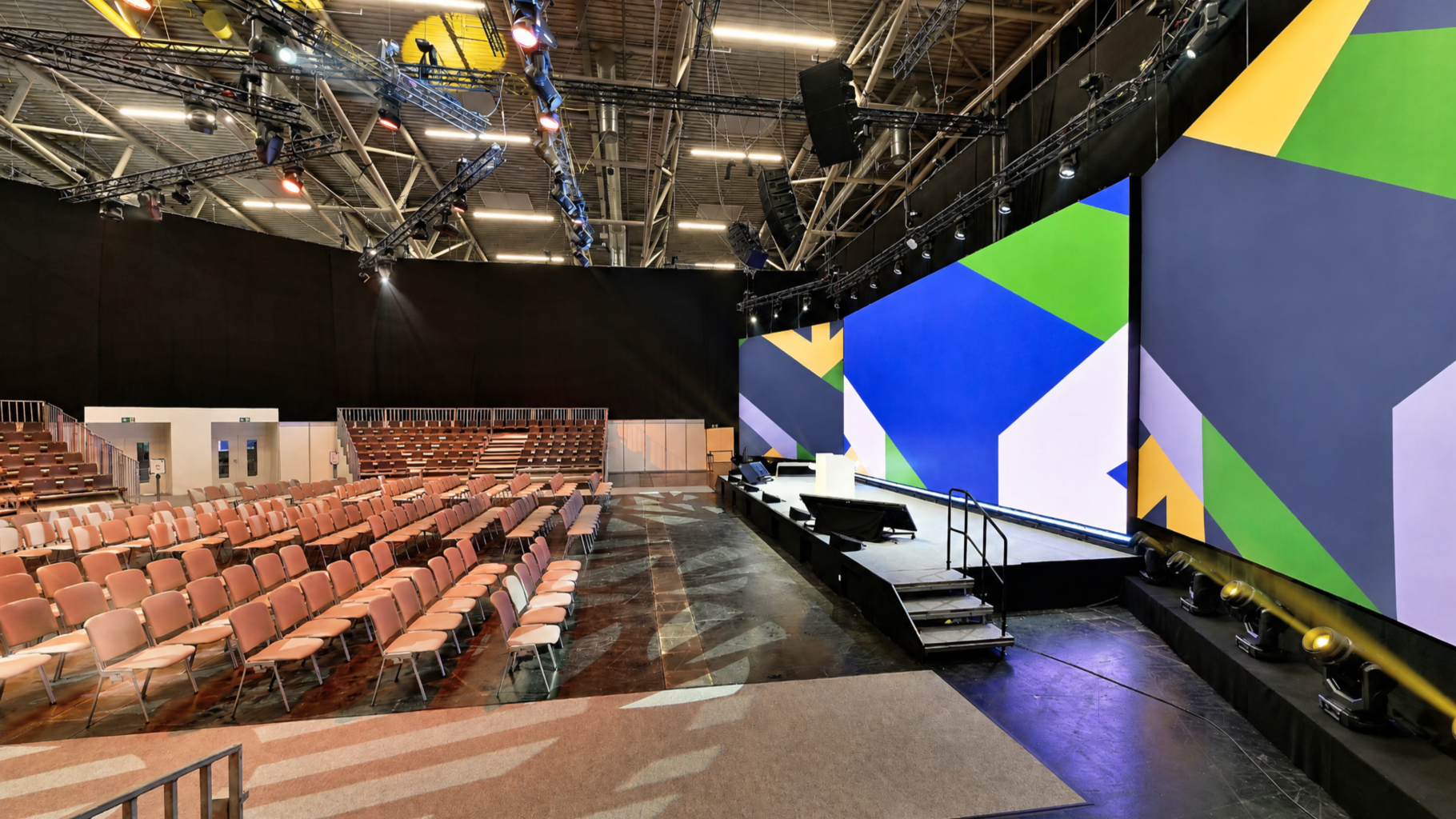
Good to Know:
A complete restart isn’t always necessary. Often, an event can evolve by reassigning space and reshaping how topics connect. That’s why it pays to take a closer look at how featured topics, special exhibit areas, and special interest zones can fit into the existing show floor layout, and what traffic patterns result. This makes it possible to use existing space more strategically and create new attendee routes without rebuilding the entire show floor plan from scratch.
2. Define the Impact First, Then Allocate Space.
Where does the next exhibitor go? Which space is still available? These are important questions in show floor planning, but they’re not the only ones. Before booth space is assigned, it should be clear what the event is meant to communicate and how it should be perceived. Which topics should take center stage? Where should attendees take notice? And where do experiences happen that people will remember?
It’s not about filling booked space, but about connecting it in a meaningful way. Traffic flow guides attendees to content, sightlines direct attention, and select areas invite attendees to linger and network.
Checklist for Show Organizers:
- Which topics should get the most visibility?
- How should attendees and exhibitors perceive the show?
- Where do natural meeting points emerge?
- Which areas encourage attendees to linger and network?
- How can content be linked spatially in a way that makes sense?
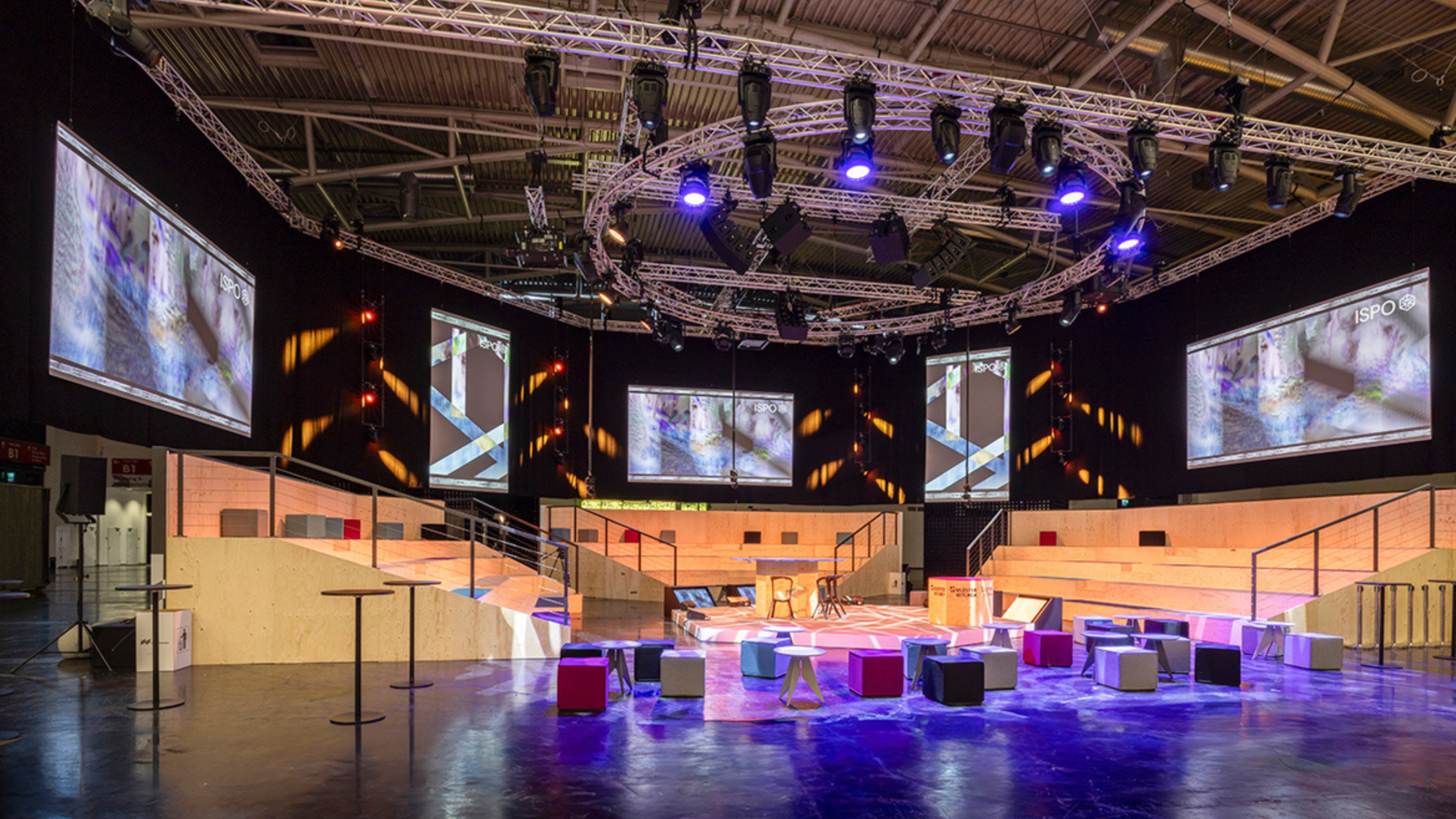
Good to Know:
A sold-out show floor isn’t automatically a great show floor. Obvious, right? What matters is whether the arrangement of areas supports the desired attendee experience and brings brands, content, and people together in a meaningful way. With our “Creating Touchpoints” approach, show floor planning starts with the event’s goals and the needs of exhibitors and attendees, not simply with filling as much space as possible. Physical, digital, and technical elements are aligned so that relevant encounters and touchpoints emerge.
3. Integrate New Topics Strategically
Forums, stages, startup zones, networking areas, or experience zones: Trade shows keep adding new dimensions. That’s a good thing, because new formats bring fresh content and added incentives for attendees. But where do they go?
Finding open space isn’t enough. New areas need to be visible, fit the event concept, and blend into the existing themed zones. Otherwise, the opposite of what you want can happen quickly: The format gets lost among the booths.
Checklist for Show Organizers
- Can attendees easily recognize the new topic area?
- Is there a logical connection to related offerings?
- Do sightlines and design elements support wayfinding?
- Are forums, stages, and experience zones well integrated into the event concept?
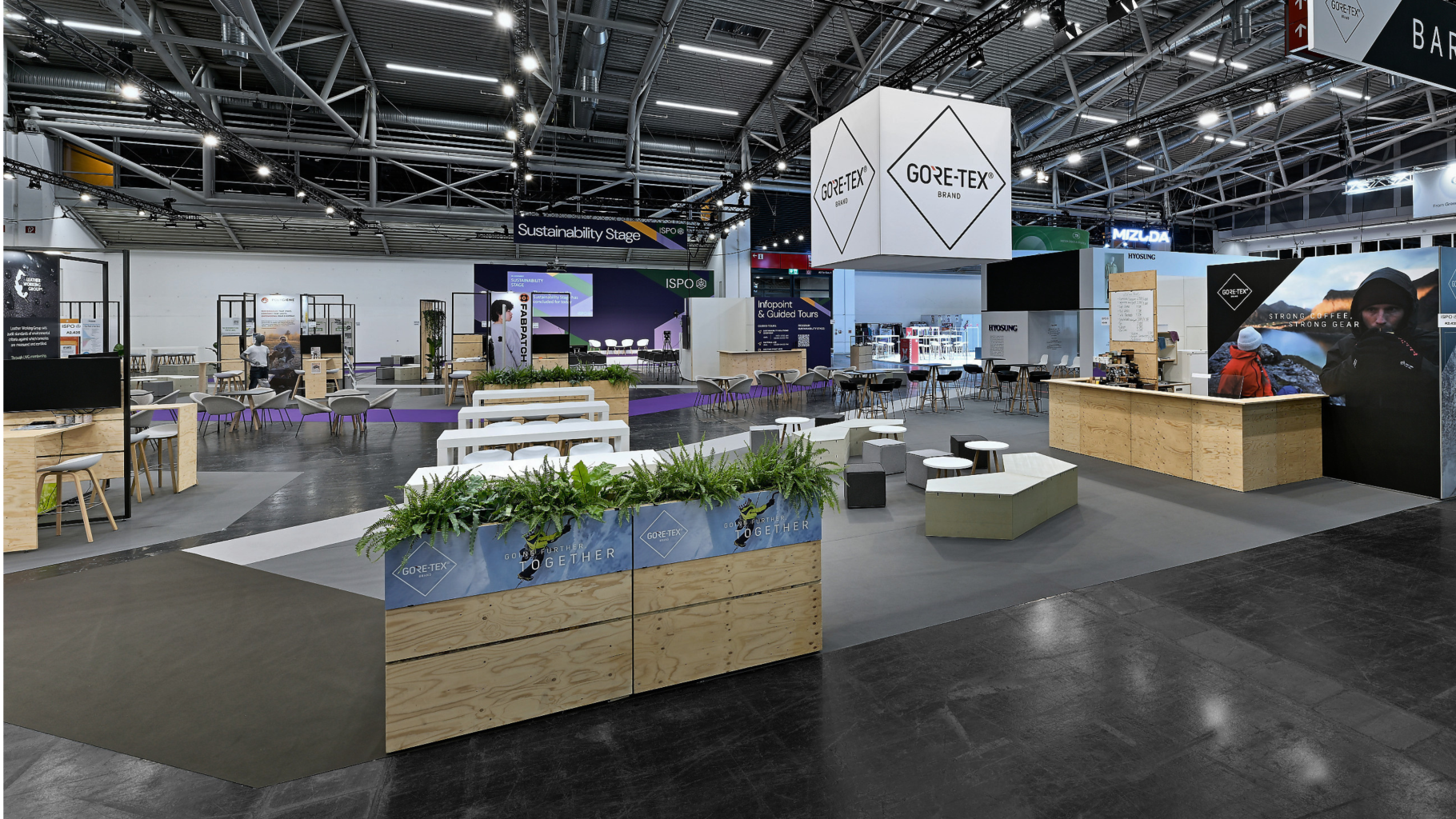
Good to Know:
New formats should be recognizable as distinct areas without feeling out of place. To do that, their design and function need to fit the topic at hand while also reflecting the event’s identity. Whether it’s a forum, stage, food and beverage area, or focus zone, early coordination between show organizers and the design team helps define the format’s character and integrate it seamlessly into the event concept.
4. Guide Attendees: Balance Wayfinding and Discovery
Anyone walking a show floor wants to know where to go. Obviously. But is it really enough for attendees to simply get from point A to point B? We think there’s more to it! Good attendee guidance doesn’t just keep people from losing their bearings. It also draws attention to offerings that may not have been on an attendee’s agenda in the first place. Because attendees who are skillfully guided through an area often discover new topics, interesting exhibitors, and great meeting spots almost by accident. That’s where the experience begins.
Checklist for Show Organizers
- Can attendees quickly find all relevant areas?
- Are topics and their connections easy to follow spatially?
- Do sightlines draw attention to relevant offerings?
- Are there areas that encourage chance encounters?
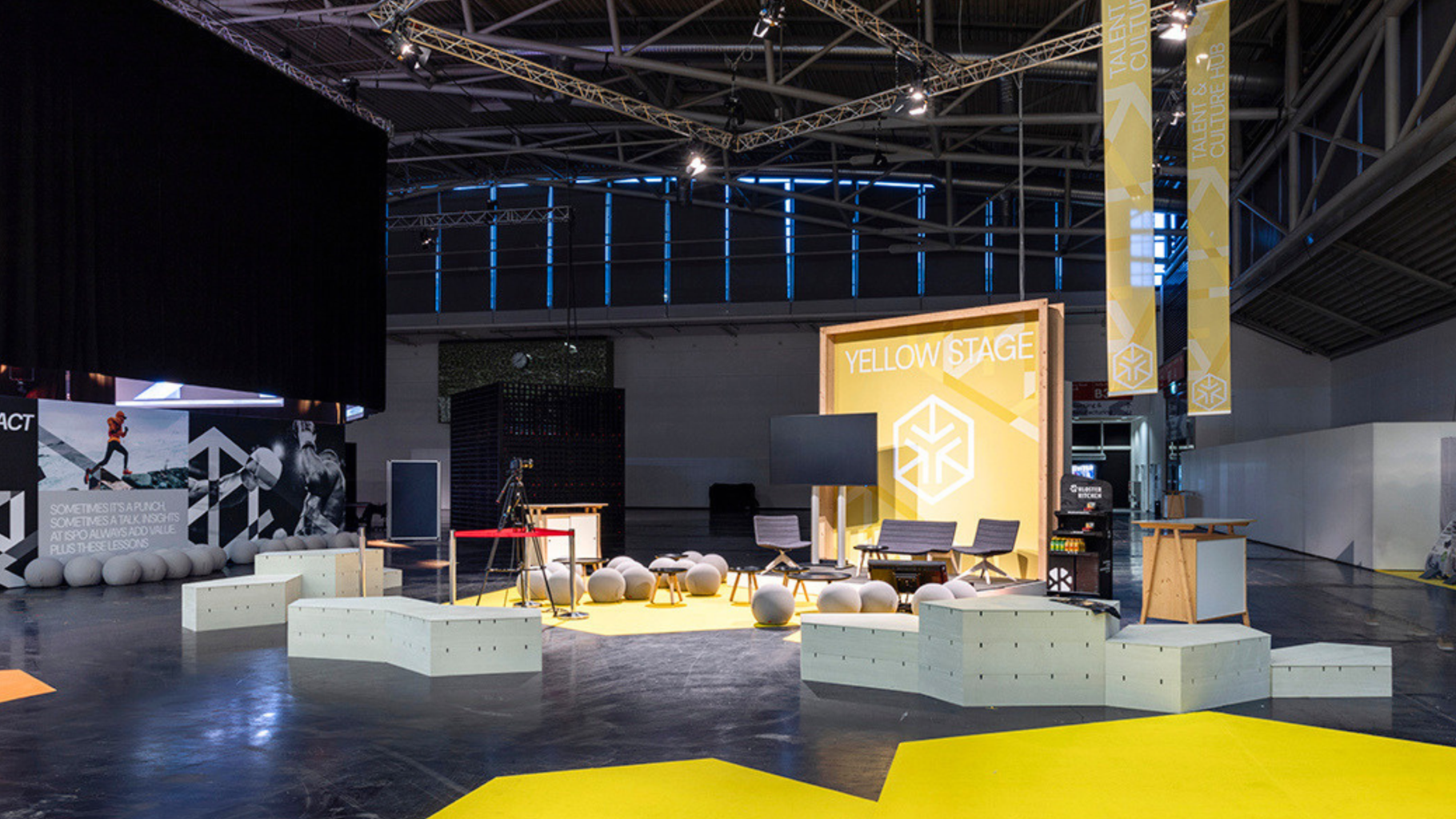
Good to Know:
Design for design’s sake isn’t the goal. It should reinforce the character of an event and make sure attendees don’t just see the brand but experience it in physical space. meplan develops design concepts that capture the character of an event and bring its identity to life on the show floor. We pay close attention to how colors, materials, and design elements work together. Custom design concepts and style guides create a recognizable look and feel that carries through every area of the event.
Quick Takeaways
for Your Everyday Trade Show Work
01: Rethink What’s Already There
Regularly review whether your show floor layout, traffic flow, and booth placements still fit your event concept.
02: Experience Before Space Allocation
Don’t just allocate space as efficiently as possible. First, decide what experience you want to create for attendees and exhibitors.
03: Make New Formats Visible
Forums, stages, and topic areas need the right location and clear integration into the overall event concept.
04: Invite Attendees to Explore
Good traffic flow doesn’t just help attendees find their way. It also draws attention to offerings they might otherwise have overlooked.
05: Make Brand Identity Tangible in Physical Space
Colors, materials, and design should reflect the event’s identity. Not everything has to be new to get there.
Write to us
Contact person:
-

Nina Schmidpeter
Customer Relationship Manager
-
Simone
BirkCustomer Relationship Manager
-
Stephanie Koburger
Customer Relationship Manager
Share
